Why Is There Condensation on My Windows?
What it means and how to fix it:
Noticing condensation on your windows can be concerning, but it’s not always a sign of a problem. Sometimes, it’s a normal part of changing seasons, while other times it can point to issues that need attention. Understanding what condensation means, where it comes from, and how to manage it will help protect your home and windows. In this post, we’ll explain the different types of window condensation, why they happen, and what you can do about it.
What Causes Condensation on Windows?
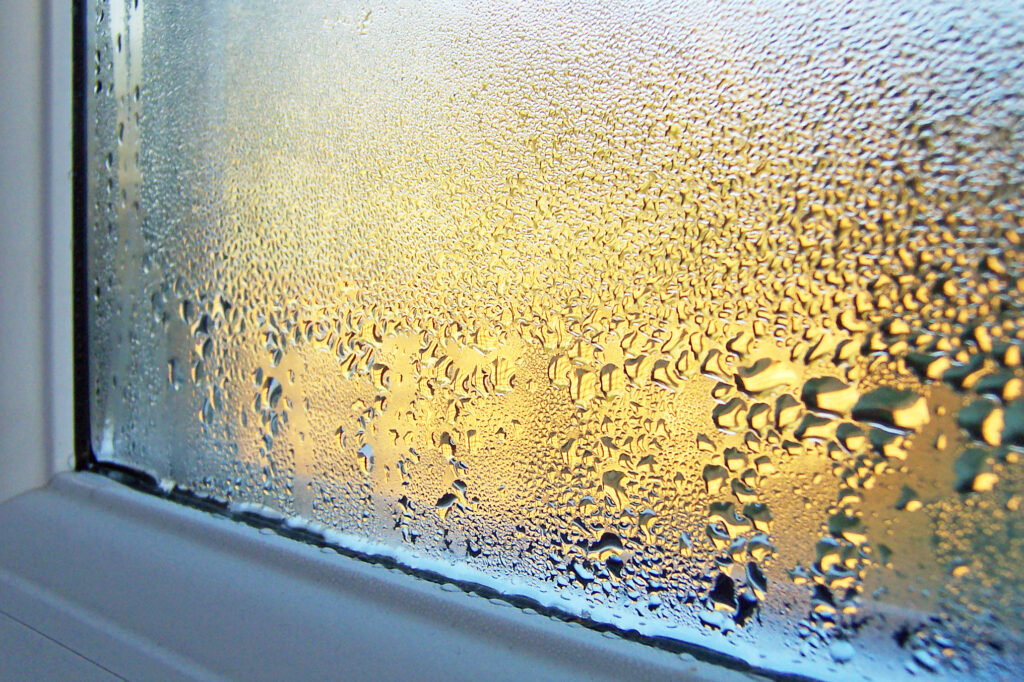
Condensation occurs when moist air hits a cooler surface, causing water vapour to turn into liquid droplets. Windows are a common surface where this happens, especially during colder months when warm indoor air meets cold glass.
Key Causes Include:
- High indoor humidity levels
- Temperature differences between inside and outside
- Poor ventilation
- Window seal failure (for condensation between panes)
Types of Window Condensation
Interior Condensation (Inside Your Home)
Interior condensation happens on the inside surface of your windows. It’s usually a sign of high humidity levels in your home.
Common Causes:
- Hot showers without adequate ventilation
- Cooking without using an exhaust fan
- Indoor plants releasing moisture
- Poor insulation or drafty windows
Solutions:
- Use exhaust fans while cooking, bathing and doing laundry
- Open blinds and curtains to allow better air circulation
- Keep the temperature in your home consistent
- Choose energy-efficient windows with Low-E coatings and gas fills
Exterior Condensation (Outside Your Home)
Exterior condensation forms on the outside of your window, usually in the morning when outside air cools overnight. This is actually a good sign that your windows are highly energy-efficient; they are keeping the indoor temperature insulated, preventing heat from escaping in the winter, or blocking the warm air in the summer.
Solutions:
- Typically, no action is needed and condensation clears on it’s own with temperature change
- If it’s frequent and bothersome, landscaping changes, like trimming shrubs, can help improve air circulation around the window
Condensation Between Window Panes
When condensation appears between the layers of double or triple-pane windows, it indicates that the window’s seal has failed and the insulating gas has likely escaped. This is a serious issue, since broken seals reduce energy efficiency and can eventually lead to water damage or mold growth.
Solutions:
- In some cases, you can replace just the thermal glass unit
- If the window frames are old or damaged, replacing the entire window may be the best solution
- Contact a window specialist to evaluate the extent of the damage
Not all condensation is a sign of a problem, but knowing the difference between normal and concerning mositure can save you money and protect your home. By managing humidity levels and investing in high-quality windows, you can enjoy clearer views, lower energy bills and greater peace of mind.
At Ridley Windows & Doors West, we offer expert advice, repair and window replacement services tailored to your home’s needs. We’ll help you diagnose the problem and recommend the best solution to keep your home comfortable and energy-efficient.
If you are interested in upgrading your windows, our experts are here to help. Request a free consultation, and we’ll help you find the right solution.